

When choosing a loft hatch system, many homeowners assume the decision is simply about materials or price. In reality, loft access can be achieved in two fundamentally different ways: a loft hatch with separate ladder, or a combined loft hatch with integrated ladder. Neither system is inherently better than the other, the right choice simply depends on what you value most. Whether that’s insulation performance, everyday comfort, installation constraints, or long-term flexibility.
At Jupiter Blue, we help customers look beyond surface-level differences and focus on how each loft hatch system performs in real homes. This guide compares the two approaches so you can make a confident, informed decision.
- Two Ways to Achieve Loft Access
- Option 1: Separate Loft Hatch + Aluminium Loft Ladder
- Option 2: Combined Timber Loft Hatch with Integrated Ladder
- Direct Comparison: What Actually Matters
- Choosing the Right Loft Hatch System
- Explore the Right Loft Hatch System for Your Home
Two Ways to Achieve Loft Access
Broadly speaking, loft access systems fall into two categories:
Option 1. Separate Components
- A standalone loft hatch (plastic or metal)
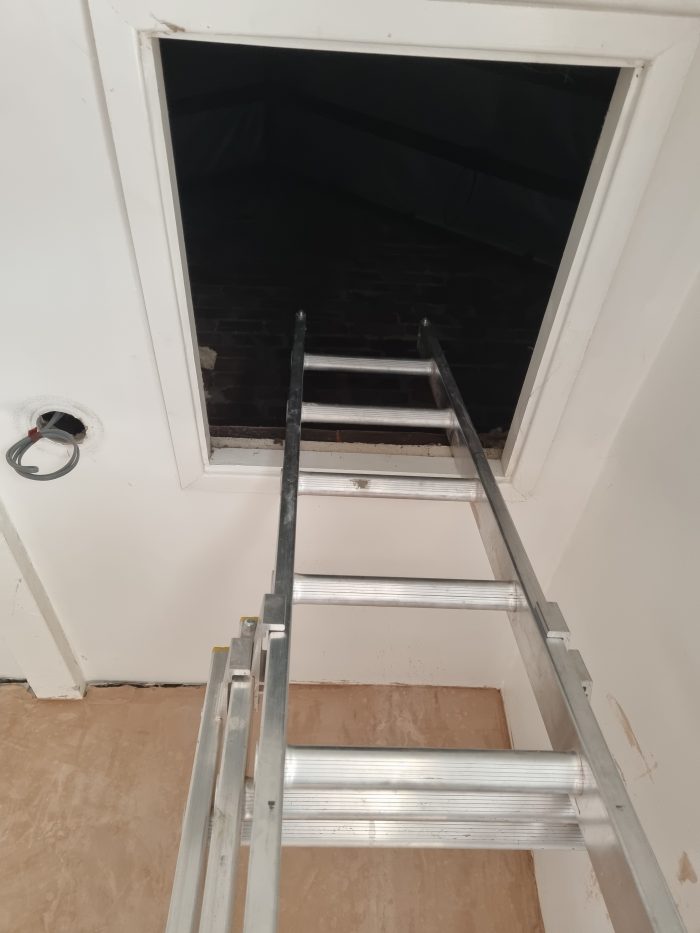
- A separate loft hatch with aluminium ladder
- Components are designed to work together but selected independently
Option 2. Single Combined Unit
- A combined timber loft hatch with an integrated ladder
- Supplied as one complete factory-assembled unit
- Ladder and hatch are inseparable
These options shouldn’t be judged on materials alone. The real comparison lies in performance, comfort, insulation, and installation constraints.
Option 1: Separate Loft Hatch + Aluminium Loft Ladder
A loft hatch with separate ladder gives you the flexibility to specify each element around performance requirements rather than convenience.
The Pros
Performance & Insulation
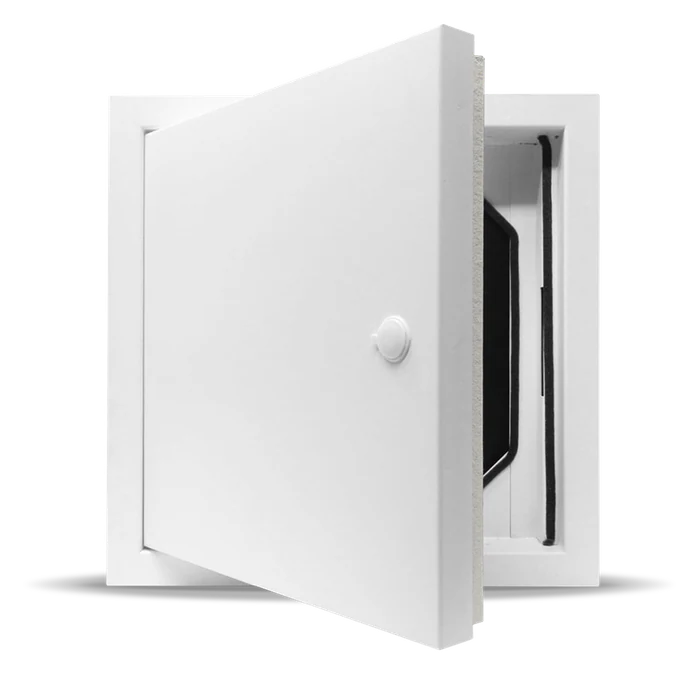
Standalone loft hatches, particularly insulated plastic or metal loft hatch designs typically outperform combined units when it comes to thermal efficiency and airtightness (in the case of metal hatches). High-quality insulated hatches are designed to sit flush with the ceiling and maintain consistent compression seals, significantly reducing draughts and heat loss.
This matters because heat loss through poorly sealed ceiling penetrations can undermine otherwise good insulation. According to the Energy Saving Trust, up to 25% of heat can be lost through the roof of an uninsulated home, highlighting why airtight loft access is so important.
Specification Flexibility
With separate components, you can choose:
- A plastic loft hatch for cost efficiency
- A metal loft hatch for durability, rigidity, and enhanced sealing
- An aluminium ladder matched to ceiling height and user needs
Crucially, the hatch and ladder can be upgraded independently. If insulation standards or regulations change or your priorities shift, the hatch can be replaced without touching the ladder, or vice versa.
The Cons
Comfort Considerations
One trade-off of a separate loft hatch and loft ladder is comfort. Aluminium ladder treads can feel colder underfoot, particularly during winter months when loft temperatures drop. For frequently accessed lofts, this can be noticeable.
Installation Factors
There are slightly more components to specify and install when using a separate loft hatch and ladder, which can add complexity compared to a single combined unit. However, this modularity often makes installation easier in tight or awkward ceiling openings.
Best Suited For:
- Homes prioritising energy efficiency and airtightness
- Refurbishments focused on reducing heat loss
- Situations where insulation performance outweighs ladder comfort
- Projects requiring flexibility or future upgrades
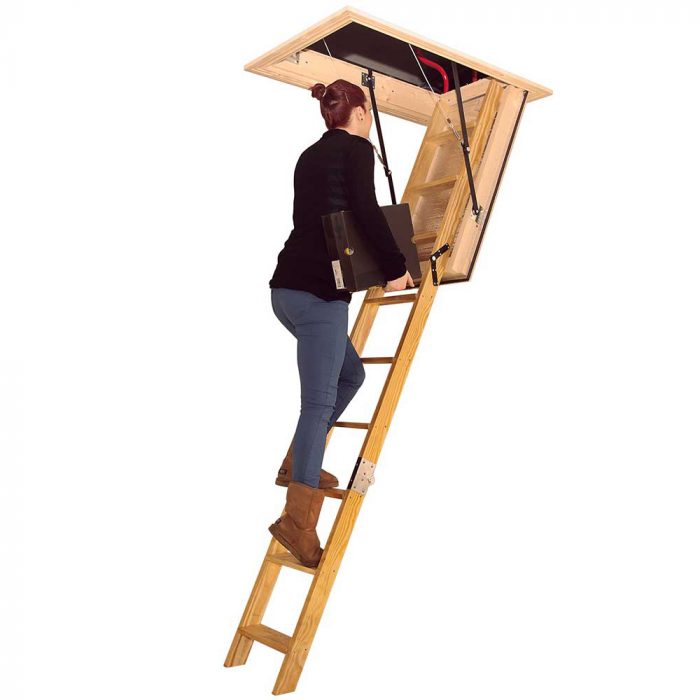
Option 2: Combined Timber Loft Hatch with Integrated Ladder
A combined loft hatch with integrated ladder is a familiar, all-in-one solution that many homeowners recognise from traditional domestic installations.
The Pros
Comfort & Usability
Timber ladder treads are naturally warmer and more comfortable underfoot than aluminium. For occasional loft access, such as retrieving stored items a few times a year, this comfort can be a decisive factor.
The integrated design also offers a sense of simplicity: one product, one specification, one installation.
Installation Simplicity
Because the hatch and ladder are supplied as a single unit, specification is straightforward. There’s no need to match components or consider compatibility.
However, integrated systems generally require a larger ceiling cut-out to accommodate the combined door and folding ladder mechanism. This can be restrictive in homes with limited joist spacing or structural constraints.
The Cons
Insulation Limitations
While modern combined timber units offer some level of insulation, they cannot achieve the same airtightness and thermal performance as the best performing steel loft hatches. This is worth considering given that improving loft insulation is one of the most cost-effective ways to reduce household energy use. Government data shows that homes with effective insulation have noticeably better energy efficiency ratings than those without!
Upgrade Constraints
Because the hatch and ladder are integrated, upgrading insulation performance later on usually means replacing the entire unit, even if the ladder itself is still serviceable.
Best Suited For:
- Homes prioritising comfort and familiarity
- Situations where ceiling opening size is not restrictive
- Users happy to trade insulation performance for simplicity
Direct Comparison: What Actually Matters
Rather than asking which system is “better,” it’s more useful to look at priorities. If you want to prioritise:
| What Actually Matters | Separate Loft Hatch + Ladder | Combined Loft Hatch with Integrated Ladder |
| Thermal Performance & Airtightness | Excellent. A dedicated steel loft hatch or fire rated loft hatch can achieve superior sealing and reduced heat loss. | Moderate. Combined timber units typically offer lower airtightness and higher potential heat leakage. |
| Energy Efficiency Support | Strong. Better sealing supports insulation performance and reduces draughts. | Acceptable for standard homes, but not optimised for maximum thermal efficiency. |
| Fire Rating Capability | Yes. Can be specified as a fire rated loft hatch where Building Regulations require compartmentation. | Rarely suitable for fire rating. Most integrated units are not compliant as fire rated loft hatches. |
| Comfort Underfoot | Ladder and hatch operate independently. Functional but less “solid” feeling than timber combined units. | High. Timber integrated loft hatch systems often feel more comfortable and reassuring underfoot. |
| Installation Simplicity | Slightly more involved — hatch and ladder installed separately. | Simple. One unit, one installation process. |
| Ceiling Opening Flexibility | Highly flexible. Made-to-measure loft hatch options available for non-standard openings. | Requires specific opening dimensions. Limited flexibility in older or awkward properties. |
| Future Upgrade Flexibility | Excellent. Ladder or loft hatch can be replaced independently. | Limited. Entire unit typically replaced if upgrading. |
| Best For | Energy-conscious homes, projects requiring fire rated loft hatches, airtight builds, bespoke openings. | Standard domestic use where comfort and simplicity are prioritised over maximum insulation performance. |
Future-proofing & flexibility
Separate hatch and loft ladder systems allow easier upgrades.
The material itself, plastic, metal, or timber, is not the decision. It is the result of deciding which outcomes matter most in daily use.
Choosing the Right Loft Hatch System
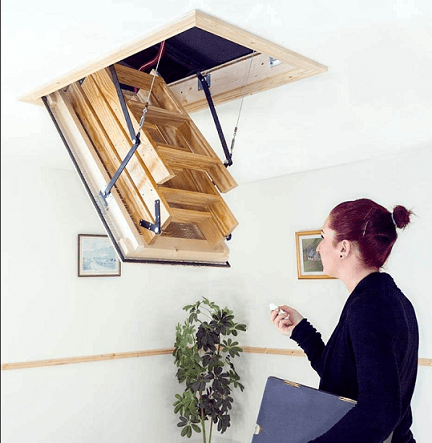
Both systems solve different problems. A loft hatch with separate ladder is engineered around performance, insulation, and long-term adaptability, whereas a combined loft hatch focuses on comfort, simplicity, and ease of specification.
At Jupiter Blue, we don’t push customers toward a single “best” product. Instead, we help identify what you’re trying to achieve, whether that’s minimising heat loss, improving comfort, or working within structural constraints. We then specify the configuration that delivers those results without compromise, whether that’s a made-to-measure loft hatch and separate ladder or an integrated system.
Explore the Right Loft Hatch System for Your Home
If you’re weighing up a plastic or metal loft hatch with aluminium ladder versus a combined timber loft hatch with integrated ladder, Jupiter Blue can help you choose with confidence.
Explore our range of loft hatches and ladders, or get in touch with our team to discuss your requirements in more detail. The right solution starts with the right priorities.