



Category
Gas Flue Inspection
Gas flue inspection hatches give a dedicated access point for inspecting and maintaining a concealed flue — so an engineer can check the joints and connections without removing wall finishes or boxing. They're needed wherever a flue runs hidden behind a wall, boxing or ceiling, to meet Part J of the Building Regulations. Part of our wider access panel range.
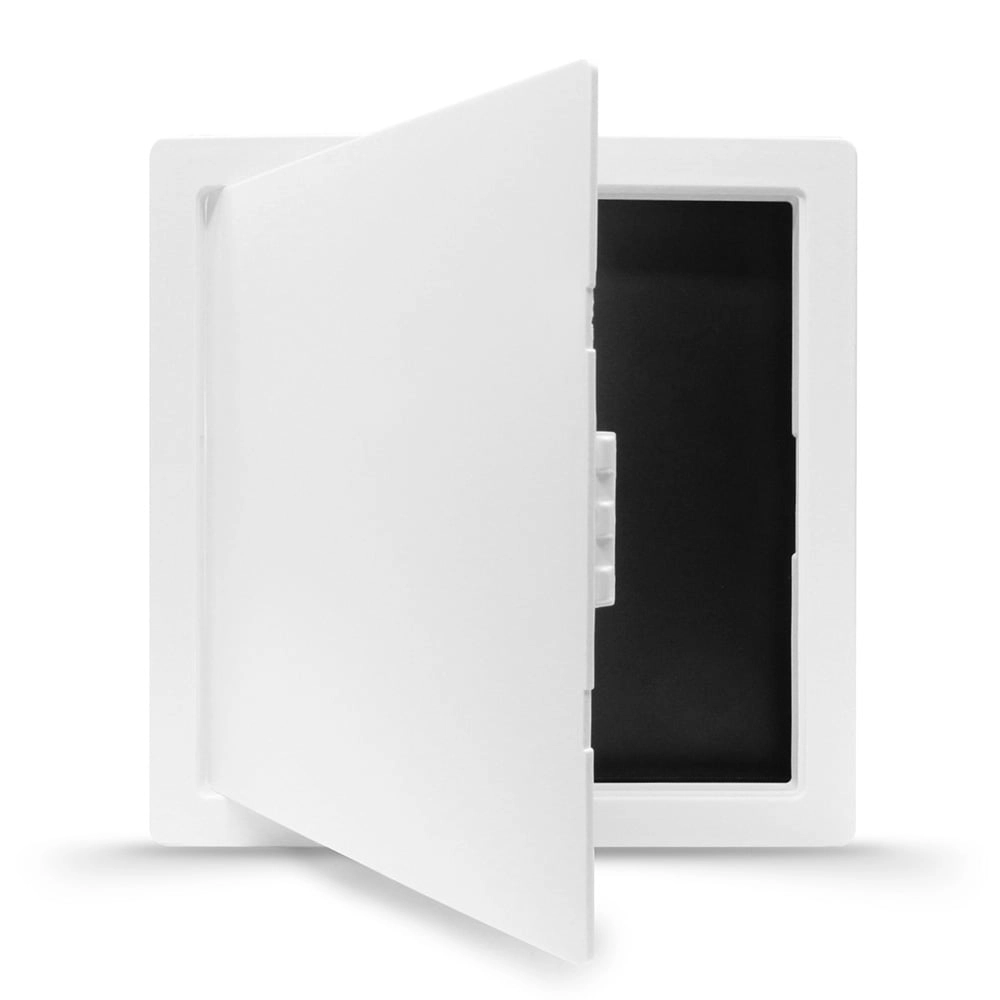
Plastic Access Panel UK Made | Picture Frame
- Made to order · 1–2 working days
- UV Stable Plastic
- Fits: Both Wall & Ceiling
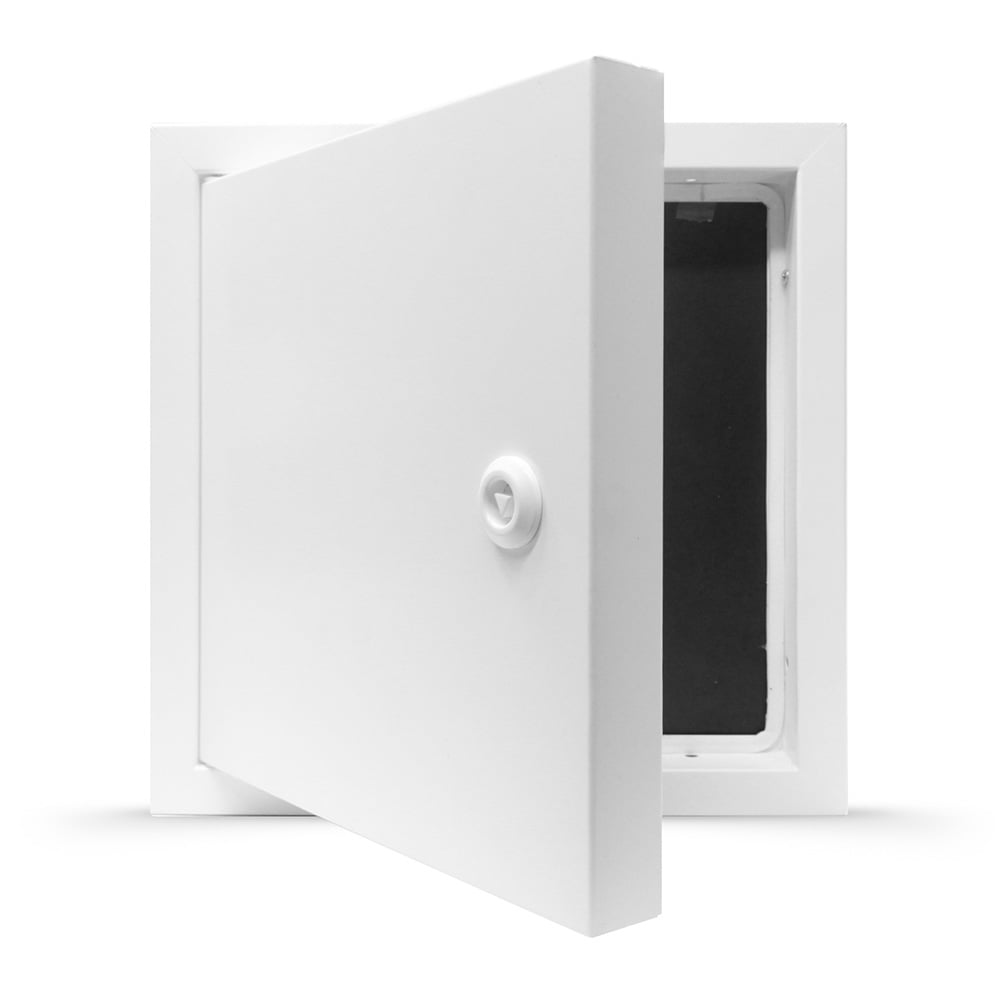 1-HOUR FIRE RATED | INSULATED | AIR TES
1hr Fire Rated, Insulated & Air Tested Access Panel | Picture Frame
- Made to order · 1–2 working days
- Zintec Steel, white finish
- Fits: Both Wall & Ceiling
- Insulated: Panels of 450mm and larger are 0.35 "U" value, below that size are 0.77 "U" value
- 36dB Acoustic reduction
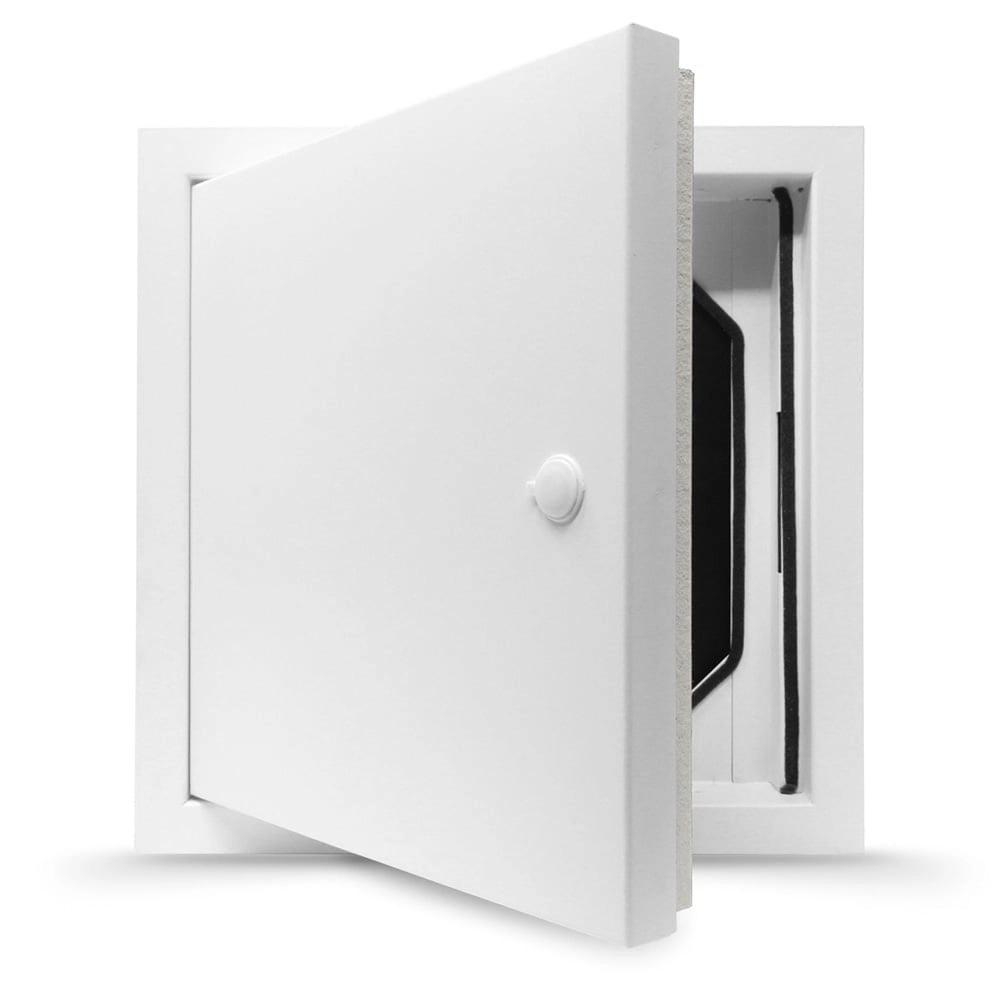 1-HOUR FIRE RATED
1hr Fire Rated Access Panel | Picture Frame | Picture Frame
- Made to order · 1–2 working days
- Zintec Steel, white finish
- Fits: Both Wall & Ceiling
- Insulated: 0.78 U value
- 34dB Acoustic reduction
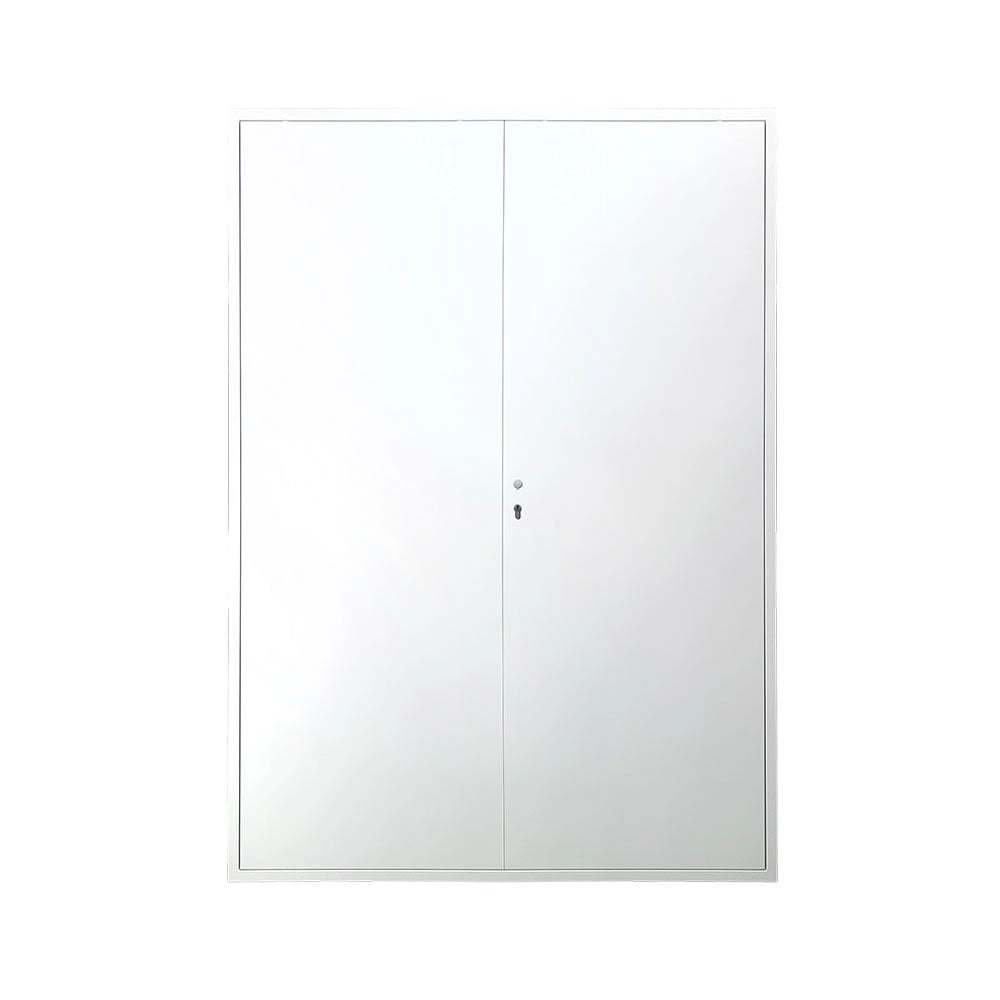 2-HOUR FIRE RATED
2hr Fire Rated Budget Riser Door | Picture Frame
- Zintec Steel, white finish
- Fits: Wall Only
- 30dB Acoustic reduction
Why they're required (Part J)
Since the Part J rules changed (December 2012), any concealed gas flue must be inspectable along its entire length when the boiler is serviced. In practice that means a hidden flue needs inspection hatches: where the flue changes direction it must be visible from both sides, and any join must be within 1.5 metres of a hatch. A gas boiler whose flue can't be fully inspected is treated as "at risk" — which is exactly what these hatches are there to prevent.
Why flue inspection matters — carbon monoxide
A leaking or damaged flue can release carbon monoxide (CO) — a colourless, odourless gas that's dangerous even in small amounts. That's why the regulations require a hidden flue to be checked whenever the boiler is serviced, with a Gas Safe registered engineer able to see the flue through the access panels. The hatch is the difference between a flue that can be safely inspected and one that can't.
Which hatch you need
A Part J hatch must not impair the fire, thermal or acoustic properties of the wall or ceiling it sits in. In most cases that means a steel inspection hatch with a fireboard insert; in a small number of cases a non-fire-rated metal or plastic hatch will comply. Where fire resistance is required, our fire-rated flue hatches are tested to hold back fire for 60 or 120 minutes.
Sizes and locks
Part J specifies a 300×300mm hatch as standard; where that isn't practical to fit, a smaller size can be used. We offer seven sizes for maximum flexibility: 300×300, 350×350, 450×450, 550×550, 600×600, 600×900 (hinged on the long side) and 1200×600mm. As standard they have a twist lock, accessed through a bung and operated with a square-ended key — with a tamper-proof lock option that's useful in communal areas. Need a size we don't list? We make flue inspection hatches to measure.
Independently tested — properly
When we fire-test our flue inspection hatches we always take a full test rather than an indicative one, and we test the largest version of each hatch (a bigger panel is more likely to fail than a small one), in both walls and ceilings, across picture-frame and beaded variants — so you can be confident the hatch performs wherever it's fitted.